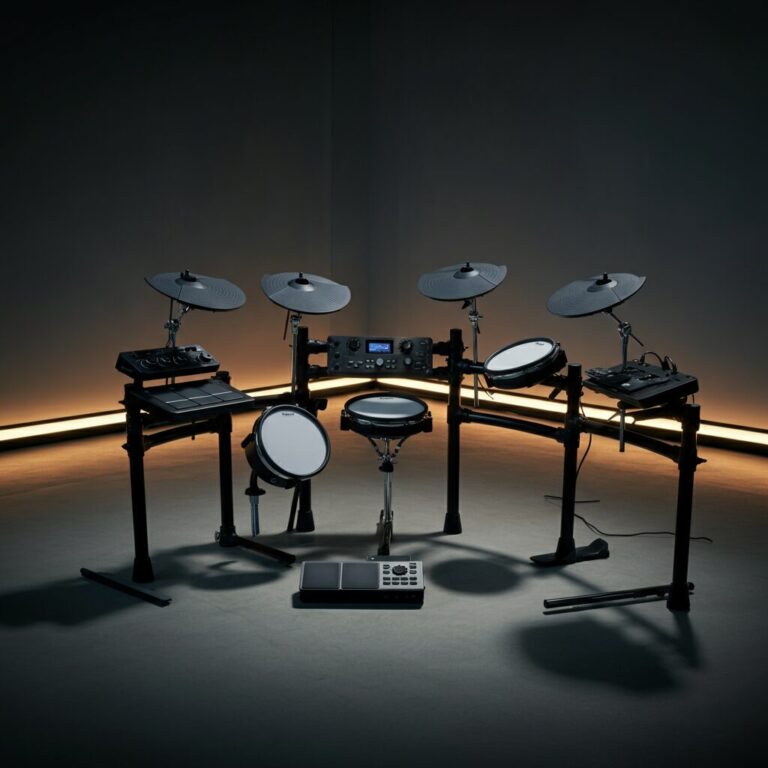
Electronic snare drums help young drummers practice beats without making too much noise. These drums use special pads and sounds from a machine to feel like real drums. In the USA, UK, and Canada, kids aged 12 to 13 can learn rhythms for school bands or fun at home. My looks at how these drums work, top models, and rules for buying them in these countries.
Contents
- 1 Comparison Table of Top Electronic Snare Drums
- 2 Top 8 Compact Powerhouses: Best Small Electronic Snare Drums
- 3 How Do Electronic Snare Drums Work?
- 4 Key Features of the Best Electronic Snare Drums
- 5 Using Electronic Snare Drums in Real Life
- 6 Differences in Procedures and Rules Across USA, UK, and Canada
- 7 Legal and Consumer Protection Considerations
- 8 Conclusion
- 9 FAQs
Comparison Table of Top Electronic Snare Drums
Here is a table that shows main facts about four top models. It lists size, zones, key tech, and price range in USD for fair view across USA, UK, and Canada.
| Model | Size (inches) | Zones | Key Technology | Price Range (USD) |
|---|---|---|---|---|
| Roland PD-140DS | 14 | Multi | Eight sensors, digital trigger | 500-600 |
| Yamaha DTX8 | 8 | 3 | Positional sensing, rubber head | 150-200 |
| Alesis DM10 | 10 | Dual | Tunable mesh, MIDI out | 100-150 |
| 2Box DrumIt Three | 12 | Multi | Layered samples, steel shell | 300-400 |
This table helps pick based on needs, like small size for travel or multi-zones for advanced play.
Top 8 Compact Powerhouses: Best Small Electronic Snare Drums
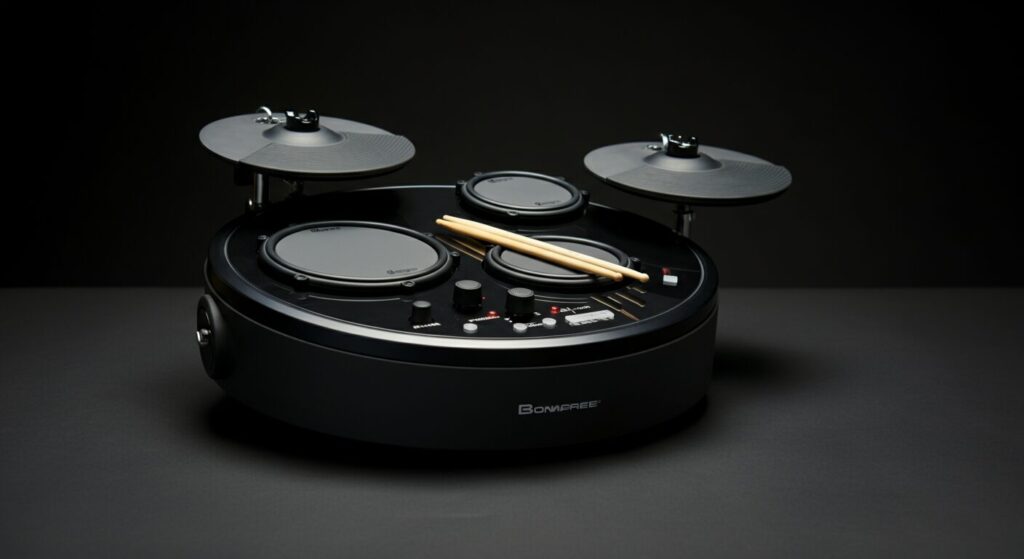
These tiny snare drums pack big sound and real feel, perfect for kids and bedrooms.
- Roland PDX-100 10-inch mesh head, dual-zone (head + rim), super quiet, works with any Roland module.
- Yamaha XP80 8-inch textured pad, 3 zones, feels like a real snare, loved in schools across the USA and Canada.
- Alesis SamplePad Pro (snare mode) 8 rubber pads built in, can load your own snare sounds, under $300.
- Pintech VisuLite 10″ Clear acrylic shell with lights, dual-zone mesh, looks cool when you hit it.
- 2Box TrigIt Snare/Tom Trigger Stick it on any small drum, turns cheap practice pads into pro electronic snares.
- Jobeky 10″ Real Feel Trigger Pad UK-made, thick real-feel skin, very bouncy, favorite with British drum teachers.
- Lemon 8″ Mesh Snare Super cheap (around $80), dual-zone, great starter pad for kids in all three countries.
- Sunlite i3 10″ Snare Pad Lightweight, tunable mesh, Bluetooth-ready, popular in Canadian home studios.
All eight fit on a desk or small stand, plug into headphones, and let you practice loud beats without waking anyone up!
How Do Electronic Snare Drums Work?
Electronic snare drums start with the pad. The top layer is soft mesh that bounces like a drumhead. Under it, sensors like piezo pickups watch for hits. They measure how hard and where you strike. This data goes to the sound module via a cable.
The sound module holds hundreds of snare samples. These are real recordings of acoustic snares from wood or metal shells. When the sensor signals arrive, the module picks a matching sound. It changes the volume based on your hit strength. For example, a light tap plays a soft whisper. A strong whack plays a sharp crack.
Power comes from batteries or a wall plug. Headphones connect to the module for silent play. In practice, a 12-year-old in Seattle might plug in earbuds. They play along to rock music on a phone linked by Bluetooth. The electronic snare drum follows the beat, helping match the song’s rhythm.
Differences show in daily use. In the UK, drummers might adjust the module for jazz tones. In Canada, they could add MIDI links to computer apps for lessons. These steps make practice fun and easy.
Key Features of the Best Electronic Snare Drums
Top electronic snare drums share strong build and smart tech. Look for mesh heads that last long without breaking. They feel natural under sticks. Dual-zone pads let you play head and rim hits. Some have tunable tension, like twisting a key to tighten the mesh.
Sound quality comes from the module’s samples. Good ones have 50 or more snare voices, from tight pop cracks to fat rock booms. Connectivity matters too. USB ports link to computers for recording. Bluetooth streams music for jamming.
Size fits young hands. A 10-inch pad works for kids starting out. Larger 12-inch pads give room for fast rolls. Portability helps for travel between home and school. Lightweight frames fold easy for bags.
In real life, these features shine. A teen in Manchester practices cross-sticks on a zoned pad. The sensor spots the angle and plays the right tone. This builds muscle memory for live shows.
Using Electronic Snare Drums in Real Life
Electronic snare drums fit daily routines for young players. In school music class, a 13-year-old in Chicago uses one for group practice. The quiet pads let everyone play at once without echo. They learn parade marches by hitting zones for different effects.
At home, connect to apps like GarageBand. The drummer layers snare tracks over guitar loops. This creates full songs without a band. In the evening, headphones block noise for late sessions.
For fun, join online drum challenges. Upload videos of snare solos. The electronic setup records crisp audio. Friends in other cities watch and join.
These drums build confidence. Starting simple, kids add speed. Soon, they play complex fills like in pop hits.
Differences in Procedures and Rules Across USA, UK, and Canada
Buying electronic snare drums follows steps that vary by country. In the USA, import from abroad uses CBP forms. For gear over $800, pay duties under Chapter 92 of the tariff code. Antique pads over 100 years skip fees. Electronics must meet FCC rules for radio signals if wireless.
In the UK, post-Brexit rules apply VAT at 20% on imports over £135. Check for CE marks on pads for safety. Imports from EU face less paper, but from USA add customs checks.
Canada requires CBSA stamps on BSF407 forms for border carry. No duty on USA goods due to trade pacts, but pay GST at 5% plus provincial tax. Electronics follow EMC standards to avoid interference.
These rules keep trade fair. A family in Boston orders online and tracks duties via app. In Edinburgh, they add VAT at checkout. In Calgary, free trade speeds USA buys.
Legal and Consumer Protection Considerations
Laws protect buyers of electronic snare drums. In the USA, FTC stops false ads on sound quality. Warranties last one year, plus state lemon laws for fixes. CPSC checks kids’ gear for lead-free parts.
The UK’s Consumer Rights Act demands goods fit for use. Faulty pads get free repairs in 30 days. CMA fines bad sellers.
Canada’s Competition Act bans scams. OPCQ gives six-month legal warranties on electronics. Returns cover defects without proof.
For all, check endangered materials. No ivory in modern pads, but old ones need CITES papers for travel.
These protections build trust. A teen in Ottawa returns a buzzing module. The store swaps it fast under law.
Conclusion
Electronic snare drums open doors to rhythm for kids in the USA, UK, and Canada. From quiet pads to smart modules, they make learning simple and fun. With clear rules and strong protections, families pick the best fit safely. Start beating today for musical joy.
FAQs
What makes an electronic snare drum quiet for home use in the USA?
It uses mesh pads and headphones to block sound, meeting noise rules in apartments.
How do import duties affect buying from the UK to Canada?
No duties on most electronics due to trade deals, but add 5% GST at border.
What warranty covers a faulty Roland pad in the USA?
One-year maker warranty plus FTC rights for repairs or refunds.
Can kids under 13 use Yamaha DTX8 in UK schools?
Yes, its small size fits young hands, with CE safety marks for class.
What if an Alesis snare arrives damaged in Canada?
Use OPCQ rules for free fix or return within six months.