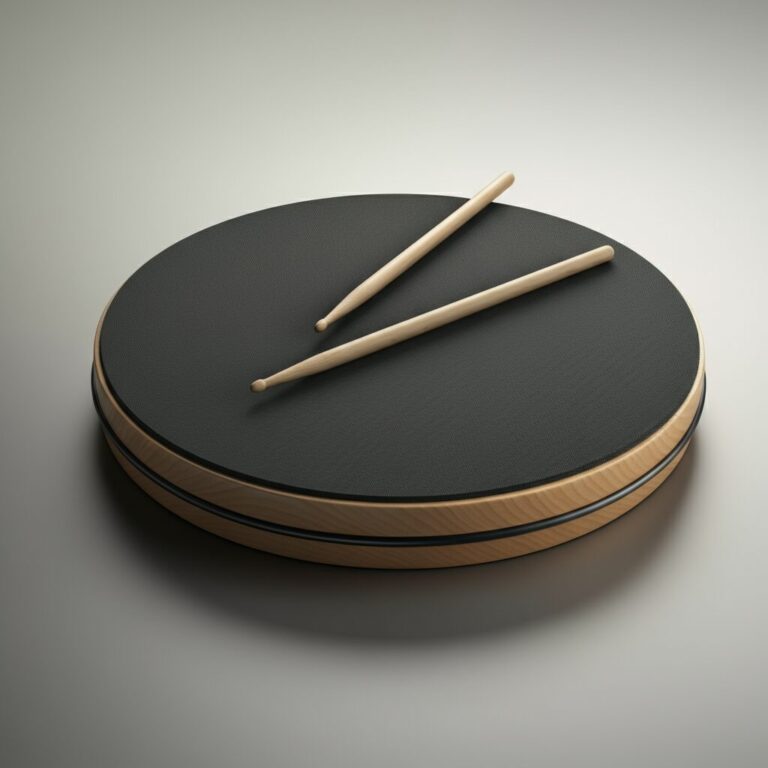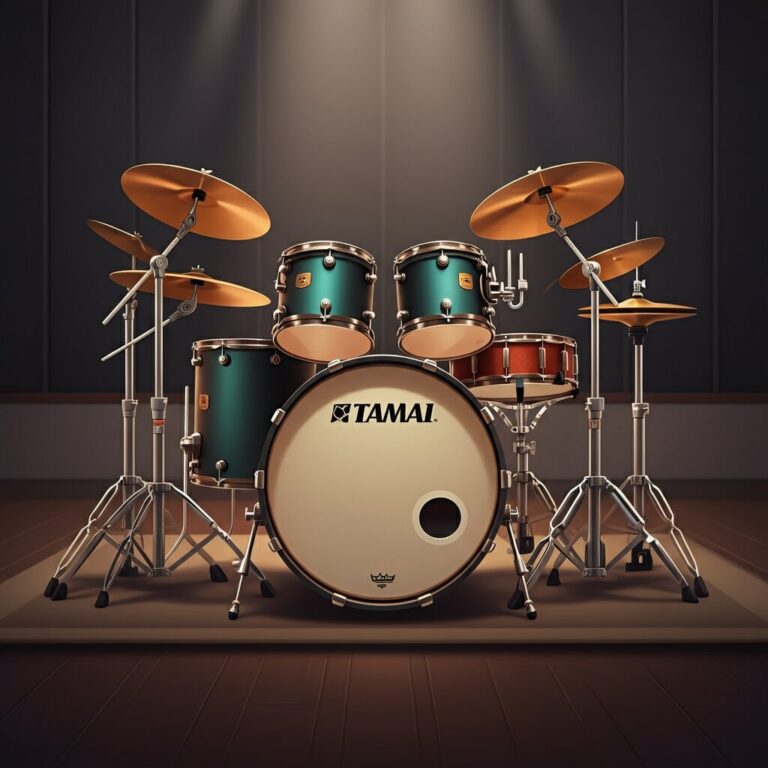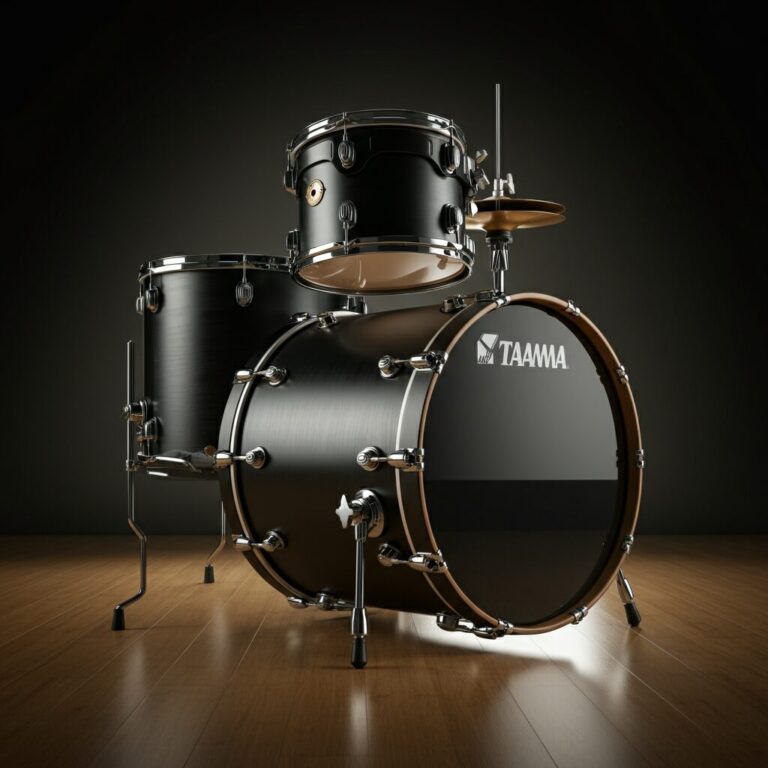
From the punchy backbeat of AC/DC’s “Back in Black” to the intricate ghost notes in The Police’s “Roxanne,” one instrument provides the rhythmic backbone that defines countless genres: the snare drum.
This versatile percussion instrument is the centerpiece of the modern drum kit, delivering everything from a sharp, cracking sound to a subtle, textured buzz.
Contents
Anatomy of a Snare Drum
Understanding the components of a snare drum is the first step to mastering its sound.
Each part plays a crucial role in shaping the drum’s tone, responsiveness, and overall character.
| Component | Description |
| Shell | The main body of the drum, which resonates to produce its core tone. |
| Heads | The surfaces you strike. The top is the “batter head,” and the bottom is the “resonant head.” |
| Snares | A set of metal, plastic, or gut wires stretched across the resonant head, creating the signature “buzz.” |
| Strainer | A lever mechanism that engages or disengages the snares against the bottom head. |
| Hoops | Metal or wooden rings that hold the heads onto the shell and are used for tuning. |
| Lugs & Rods | The hardware used to adjust the tension of the heads, allowing for precise tuning. |
Shell Materials and Sound
The material of the shell has the most significant impact on the snare’s sound.
Drummers can choose from a variety of woods and metals to achieve their desired tone.
Wood Shells (Maple, Birch, Oak)
These shells produce a warmer, fuller, and more organic sound with complex overtones. Maple is known for its balanced tone, while birch offers a brighter, more focused sound.
Metal Shells (Steel, Brass, Aluminum)
Metal shells are brighter, louder, and more cutting. Steel provides a sharp crack, brass has a warmer metallic tone, and aluminum is dry and crisp.
Heads and Snares
Modern drum heads are typically made from durable Mylar plastic, which offers a consistent and versatile sound.
Historically, heads were made from calf or goat skin, which provided a warmer, more resonant tone but was sensitive to weather changes.
The snares themselves, the wires that give the drum its name can be made of metal, plastic, nylon, or even gut.
The number of wire strands and the material used affect the drum’s sensitivity and the texture of its buzz.
Types of Snare Drums
Snare drums come in various forms, each designed for specific musical contexts.
Drum Set/Kit Snare
The most common type, found in standard drum kits for genres like rock, pop, and jazz.
Piccolo Snare
A much shallower drum (around 3 inches deep) that produces a high-pitched, sharp “pop.” It’s great for funk, reggae, and as a secondary effects snare.
Marching Snare
Deeper and built for high tension, designed to project a powerful sound outdoors in drumlines and marching bands.
Orchestral/Concert Snare
Designed for classical music, offering a wide dynamic range and sensitivity for nuanced rolls and crisp accents.
Tabor
A historical predecessor to the modern snare, often played with one hand while the other plays a pipe or flute.
Tarol and Caixa Malacacheta
Types of snares used in Brazilian music, known for their bright, cutting sounds that drive samba rhythms.
How to Choose a Snare Drum
Selecting the right snare is a personal journey that depends on your musical style, playing environment, and desired sound.
Consider Your Genre
The style of music you play will heavily influence your choice.
Rock/Pop
A 14″ diameter metal or maple snare (5″ to 6.5″ deep) provides the powerful backbeat needed for these genres.
Think John Bonham’s heavy hits in Led Zeppelin’s “Good Times Bad Times.”
Jazz/Funk
Drummers often prefer a more sensitive and articulate snare. A 14″ wood snare can offer warmth for jazz, while a piccolo snare can provide the tight “crack” perfect for funk.
Orchestral
Concert snares are designed for ultimate sensitivity and dynamic control, often with cable snares for a drier response.
Shell Size and Sound
The dimensions of the shell are critical to the drum’s pitch and body.
Diameter
The most common size is 14 inches. Smaller diameters (12″ or 13″) produce a higher-pitched, brighter sound.
Depth
Standard depths range from 5″ to 6.5″. Deeper snares (7″ or 8″) have more body and a fatter sound, while shallower piccolo snares are sharper and more articulate.
Top Brands to Explore
Many reputable brands offer a wide range of snare drums for every budget and skill level. Popular choices include:
- Ludwig
- Pearl
- Tama
- Gretsch
- DW (Drum Workshop)
- Yamaha
- Sonor
Essential Snare Drum Techniques
The snare drum is incredibly expressive, allowing for a wide range of sounds through various techniques.
Basic Strokes
The foundation of snare drumming, striking the center of the head for a full, open tone.
Rimshot
Striking the head and the rim simultaneously with one stick to create a loud, cracking accent.
Cross-Stick
Laying the stick across the drum and striking the rim with the shaft to produce a woody “click,” common in ballads and Latin music.
Ghost Notes
Very light “filler notes” played between the main beats to add rhythmic complexity and groove, prevalent in funk and R&B.
Brush Work
Using wire brushes instead of sticks to create a soft, sweeping sound. Steve Gadd’s brushwork on Paul Simon’s “50 Ways to Leave Your Lover” is a classic example.
Drum Roll
A rapid succession of alternating strokes, creating a sustained sound.
Maintenance and Care
Proper maintenance will ensure your snare drum sounds its best and lasts for years.
Tuning Your Snare
Tuning is an art form. Start by finger-tightening the tension rods, then use a drum key to tighten them in a star pattern to ensure even tension across the head.
The batter head is typically tuned higher for a crisp sound, while the resonant head is tuned lower to activate the snares.
Replacing Heads and Snares
Drum heads and snares wear out over time. Replace the batter head when it’s dented or loses its tone.
The resonant head lasts longer but should be replaced if it gets stretched or damaged. Snare wires can bend or break, so replace them when they no longer provide a consistent buzz.
Cleaning and Storage
Wipe down the shell and hardware with a soft, dry cloth to remove dust and fingerprints.
When not in use, store your snare in a case to protect it from humidity, temperature changes, and physical damage.
Unlock Your Signature Sound
Whether you’re building your first kit or adding a new voice to your collection, the right snare drum will elevate your playing and help you define your personal sound.
[Enhance Your Sound Now].