The drum set is the heartbeat of modern music. From the thundering pulse of rock and roll to the subtle swing of jazz, its rhythm drives countless genres.
Whether you’re an aspiring drummer, a music enthusiast, or a parent supporting a new passion, understanding the drum set is the first step on a rewarding journey.
Contents
Components of an Acoustic Drum Set
An acoustic drum set is a collection of drums, cymbals, and hardware. Each part has a specific role in creating the overall sound.
Drums
Bass Drum
This is the largest drum and sits on the floor, played with a foot pedal. It produces the lowest pitch and provides the foundational beat.
Common sizes are 20″ and 22″, with larger drums like a 24″ offering more volume and low-end boom, perfect for rock.
Snare Drum
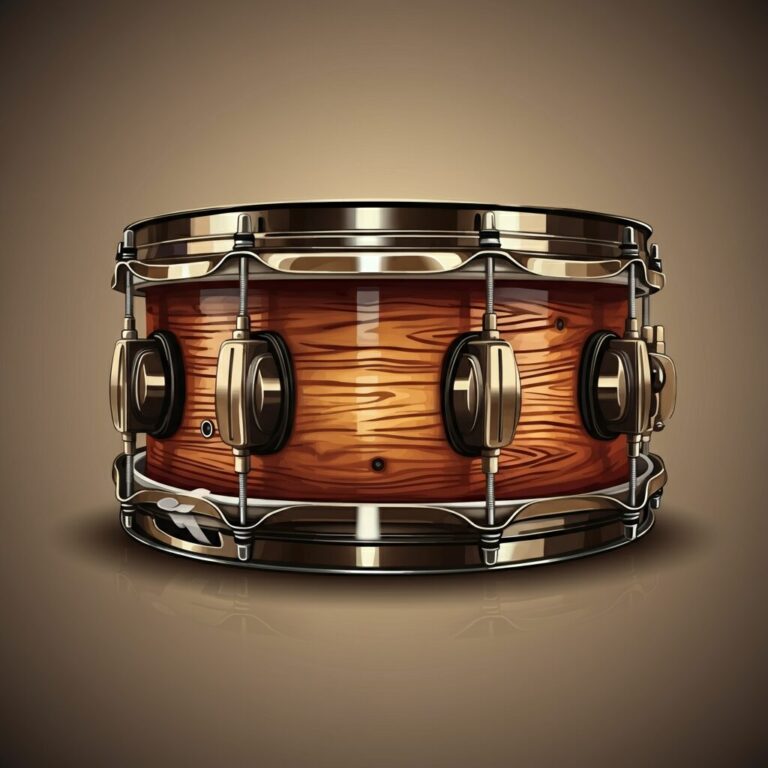
Positioned between the player’s knees on a stand, the snare is the centerpiece of the kit.
Its sharp, bright sound comes from a set of metal wires (snares) stretched across the bottom head. Snare shells are often made of wood or metal, each offering a distinct character.
Toms (Rack and Floor)
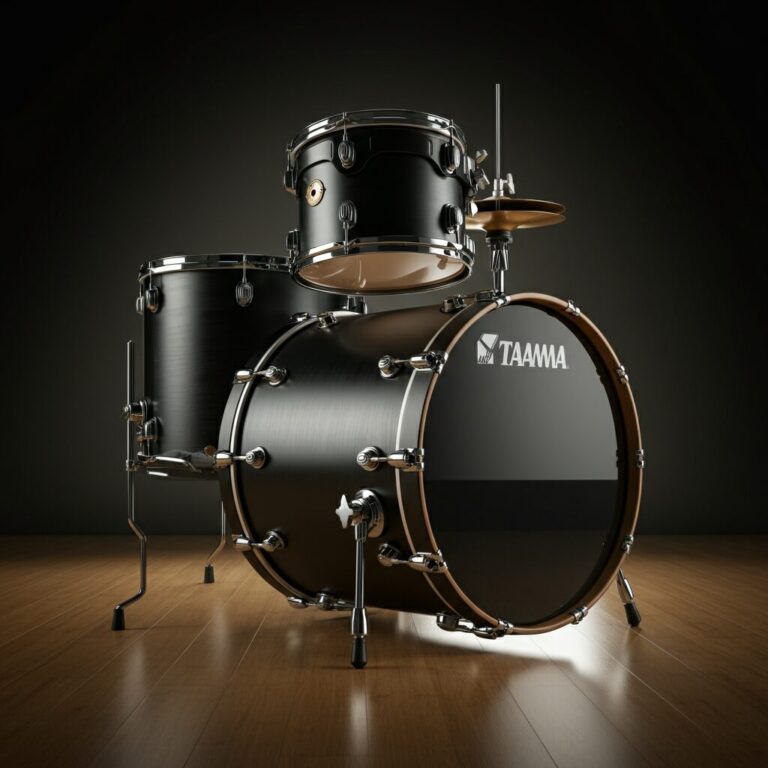
These drums add melodic color and are used for fills. Rack toms are mounted above the bass drum, while the larger floor tom stands on its own legs.
They are tuned to different pitches to create a range of notes.
Cymbals
Hi-Hats
A pair of cymbals mounted on a stand with a foot pedal. They can be played closed for a tight “chick” sound, open for a sustained “shush,” or by pressing the pedal.
Crash Cymbals
Used to accent key moments in the music, crash cymbals produce a loud, explosive sound that decays quickly.
Ride Cymbal
This is typically the largest cymbal. It’s used to play steady rhythmic patterns and has a sustained, shimmering tone.
Hardware
Hardware is the skeleton that holds the kit together. It includes all the stands, pedals, and the drummer’s throne (seat).
Good hardware is crucial for playability and comfort. Responsive pedals and sturdy, adjustable stands allow you to position everything perfectly, which is essential for developing good technique.
A comfortable throne is also a must for preventing back pain during long practice sessions.
| Hardware Component | Function | Importance |
| Throne | The drummer’s seat. | Comfort and posture are key for endurance. |
| Pedals | Used to play the bass drum and hi-hats. | Responsiveness affects speed and control. |
| Stands | Hold the snare, cymbals, and sometimes toms. | Stability and adjustability are crucial for setup. |
How Materials Impact Sound
The materials used to construct a drum set have a profound effect on its sound.
Shell Materials
The type of wood used for the drum shells is the biggest factor in its tone.
Maple
Known for its warm, balanced tone and good sustain. It’s incredibly versatile, making it a popular choice for many genres and a staple for professional kits like the PDP Concept Maple series.
Birch
This wood produces a brighter, punchier sound with more attack and less sustain.
Birch kits, like the popular Yamaha Stage Custom, are often favored for recording because of their focused tone.
Mahogany
Delivers a rich, vintage warmth with an enhanced low-end.
Poplar
A softer wood often used in entry-level kits, providing a smooth, full tone.
Cymbal Materials
Bronze
The most common material for high-quality cymbals, offering a wide range of tones from bright and cutting to dark and complex.
Brass
Typically found in beginner cymbal packs, brass is more affordable and produces a bright, clear sound, though with less complexity than bronze.
Common Drum Set Configurations
Drum sets come in various configurations, usually defined by the number of drums.
5-Piece Set
This is the standard. It includes a bass drum, snare drum, two rack toms, and a floor tom. It’s versatile enough for almost any style of music.
Examples include the Ludwig Accent and Pearl Roadshow series.
4-Piece Set
Often used in jazz, funk, or for players who prefer a minimalist setup. It typically has a bass drum, snare, one rack tom, and a floor tom.
The Ludwig Breakbeats by Questlove is a popular compact 4-piece.
Variations
Drummers often customize their setups. Some add a second bass drum for metal music (like the Pearl Export Double Bass kit), while others incorporate extra toms or electronic pads.
A key distinction when buying is between a shell pack (drums only) and a complete kit. Shell packs are great for upgrading, while complete kits are an all-in-one solution for beginners.
Acoustic vs. Electronic Drum Sets
The choice between an acoustic and an electronic kit depends heavily on your living situation and goals.
| Feature | Acoustic Drum Set | Electronic Drum Set |
| Sound | Rich, dynamic, and nuanced. The “real” drum sound. | Versatile sound library, but can feel less organic. |
| Feel | Natural rebound and physical feedback from striking heads. | Mesh or rubber pads; feel can vary but has improved greatly. |
| Volume | Very loud. Requires a dedicated space or soundproofing. | Volume is controllable; can be practiced silently with headphones. |
| Space | Requires a significant amount of floor space. | Often more compact and can be folded for storage. |
| Maintenance | Requires regular tuning, head replacement, and cleaning. | Minimal maintenance; occasional check of cables and pads. |
| Best For | Live performance, expressive playing, traditional feel. | Quiet practice, recording, exploring different sounds. |
Tuning and Maintenance
Proper care will keep your drums sounding their best and extend their lifespan.
Tuning
Tuning is an art, but the basics are straightforward. The goal is to get even tension on all the lugs (the tuning points around the drum).
This ensures a clear tone without unpleasant overtones. Use a drum key to tighten the tension rods in a star pattern.
Maintenance
Regularly wipe down shells and cymbals with a soft cloth. Check that all screws and bolts on your hardware are tight.
Drumheads wear out over time and should be replaced when they get dented or lose their tone.
Famous Brands and Where to Buy
Many reputable brands offer kits for all budgets.
Beginner (Under $800)
Look at the Pearl Roadshow, Ludwig Accent, and Yamaha Rydeen series. These often come as complete kits.
Intermediate ($800 – $1500)
The Yamaha Stage Custom Birch, Gretsch Catalina Club, and PDP Concept Maple offer pro-level features at a great price.
Professional ($1500+)
Brands like DW (Drum Workshop), high-end Tama (Starclassic), and Yamaha (Recording Custom) are industry standards.
You can find drum sets at local music stores like Guitar Center and Dirt Cheap Drums, or online from retailers like Steve Weiss Music and Music Go Round.
Buying used can also be a great way to get more for your money.
Find Your Perfect Drum Set
Choosing a drum set is a personal decision. Consider your musical goals, your space, and your budget.
Whether you start with a simple 4-piece acoustic kit to learn jazz or a versatile electronic set for quiet practice, the most important thing is to find an instrument that inspires you to play.
The world of drumming is waiting.